Why Wrist Wraps are Crucial for Weightlifting: Importance and Selection Tips
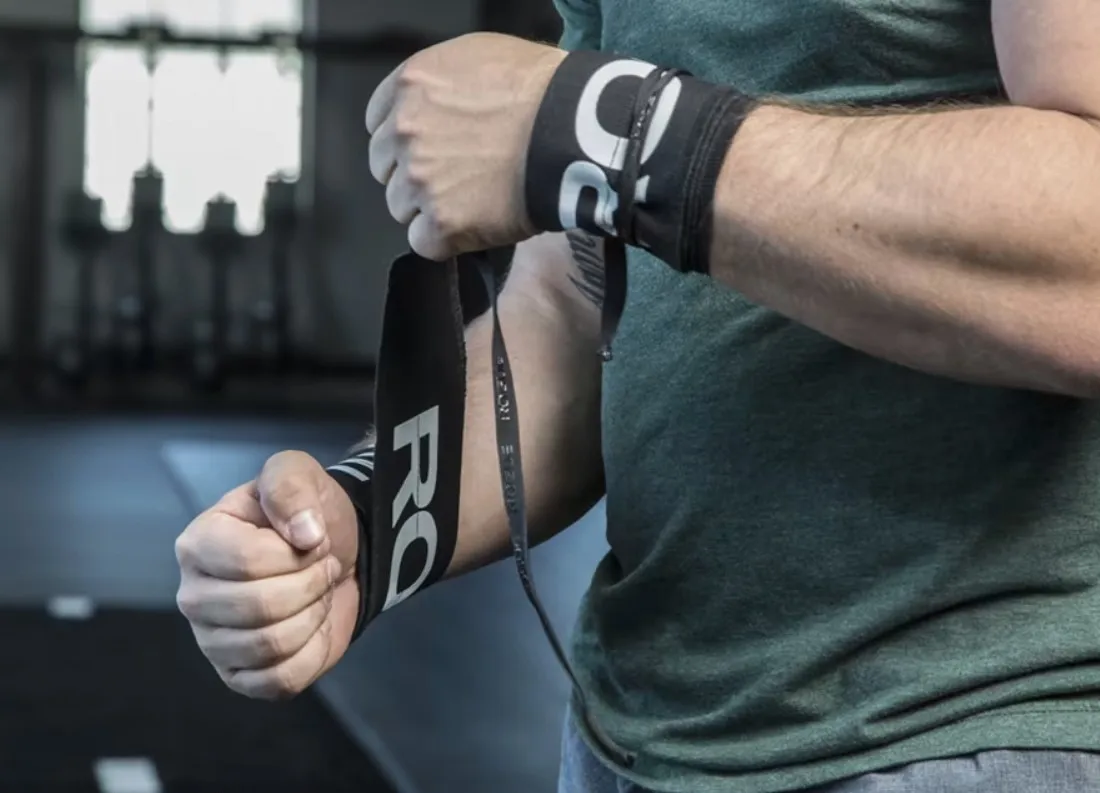
Wrist wraps are an essential accessory for weightlifters, providing support, stability, and injury prevention during lifting exercises. Without proper wrist support, weightlifting can cause stress, pain, and even injury to the wrists, which can hinder your overall lifting performance. In this article, we'll discuss the importance of wrist wraps for weightlifting and provide some tips on how to select the right ones for your needs.
Importance of Wrist Wraps for Weightlifting
Support and Stability
Wrist wraps provide crucial support and stability to the wrist joint during lifting exercises. By wrapping the wrist tightly, they help to immobilize the joint, reducing the risk of injury and enabling lifters to focus on the movement rather than discomfort or pain in their wrists. Wrist wraps also help to prevent wrist hyperextension, which can cause wrist injuries while performing heavy lifts.
Enhanced Performance
Wrist wraps can also enhance your lifting performance by limiting the range of motion of the wrist joint. By restricting the wrist's movement, the wraps allow lifters to lift heavier weights with more confidence, without fear of injury. By providing external support to the joint, wrist wraps also reduce the amount of energy expended on stabilizing the wrist during lifting, enabling lifters to focus more on the movement and less on supporting their wrists.
Reduced Pain and Discomfort
Wrist wraps can help to reduce pain and discomfort for individuals who have previously strained their wrists or suffer from chronic wrist pain. By providing external support to the joint, wrist wraps can help to alleviate pain and discomfort, allowing lifters to focus on their form and lift more efficiently. This is especially beneficial for lifters who have weak wrists or have previously injured their wrists.
Injury Prevention
Regular use of wrist wraps can help to prevent wrist injuries and strains, which can lead to long-term damage. By providing external support to the joint, wrist wraps help to reduce the amount of stress placed on the wrist during lifting exercises, reducing the risk of repetitive stress injuries. This can help weightlifters to train safely and effectively without worrying about potential injuries.
Tips for Selecting Wrist Wraps
Consider the Type of Lifting You Do
Different types of weightlifting exercises require different types of wrist wraps. For example, powerlifting wrist wraps are thicker and stiffer, providing maximum support and stability for heavy lifts like squats, deadlifts, and bench press. On the other hand, weightlifting wrist wraps are thinner and more flexible, allowing for a full range of motion for exercises like clean and jerk and snatch. CrossFit wrist wraps are a hybrid of both, providing both support and flexibility for CrossFit exercises like ring dips, pull-ups, and handstand push-ups.
Check the Length and Width
Wrist wraps come in different lengths and widths, which can affect the level of support and flexibility they provide. Longer wraps provide more support but may limit wrist mobility, while shorter wraps provide less support but allow for more flexibility. Wider wraps cover more of the wrist, providing more support, while narrower wraps are more flexible.
Look for Quality Materials
High-quality wrist wraps are made of durable, breathable materials that can withstand the wear and tear of weightlifting. Look for wraps made of materials like cotton, nylon, and elastic, which provide both support and comfort. Avoid wraps made of cheap materials that can cause skin irritation or wear out quickly.
In conclusion, wrist wraps are a crucial accessory for weightlifters, providing support, stability, and injury prevention during lifting exercises. When selecting wrist wraps, consider the type of lifting you do, the length and width of the wraps, and the quality of the materials. Investing in a good pair of wrist wraps can help you lift safely and effectively, and achieve your fitness goals.


评论
发表评论